'%20fill='black'/%3e%3cpath%20d='M0%206.99999L7.00002%2014V6.99999V-3.05706e-05L0%206.99999Z'%20fill='black'/%3e%3c/svg%3e)
Introduction:
UI/UX design plays a pivotal role in the development of websites and apps, shaping the appearance, functionality, and user interaction of digital products. With the aim of not only achieving aesthetic appeal but also enhancing user experience and improving overall functionality, good UI/UX design is essential for success in the digital realm. This article will provide a comprehensive guide to the UI/UX design process, encompassing research and discovery, wireframing and prototyping, visual design, user testing, and ongoing improvement.
- Research and Discovery:
The process of UI/UX design commences with thorough research and discovery. Designers delve into comprehending the target audience and grasping the business objectives of the product. This critical information serves as the foundation for defining the design strategy and creating user personas. User personas are detailed profiles of typical users that serve as guiding principles throughout the design process.
- Wireframing and Prototyping:
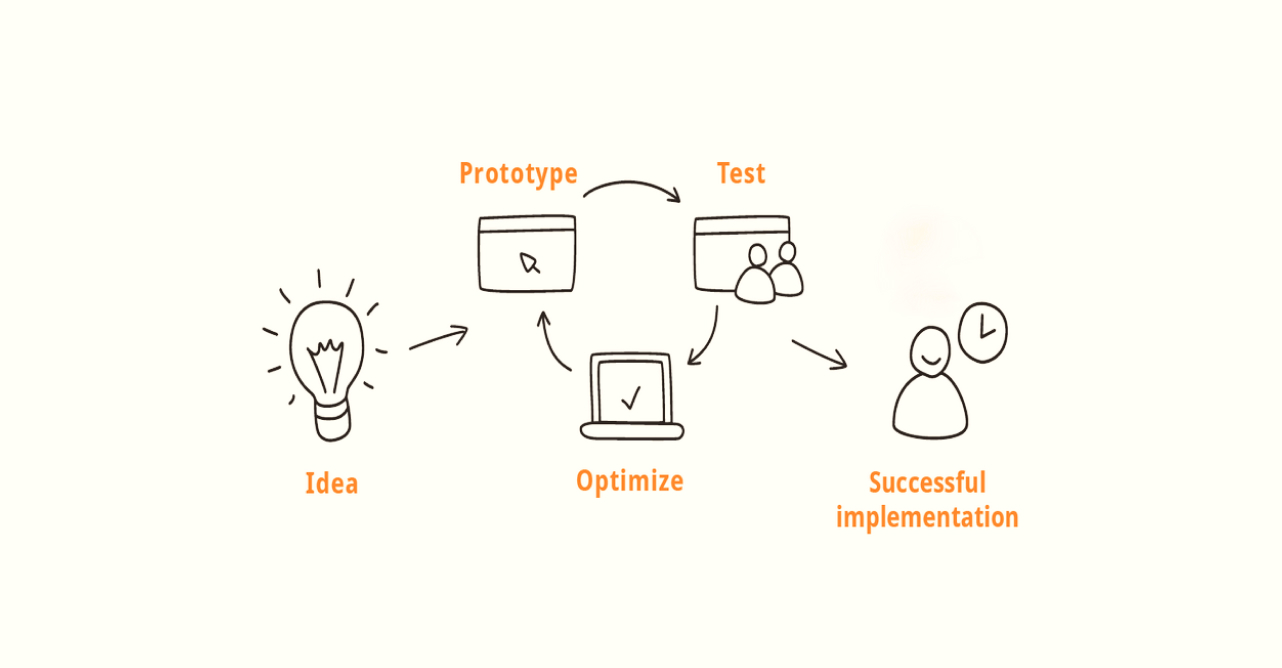
Once the research and discovery phase is complete, the focus shifts to creating wireframes and prototypes. Wireframes are rudimentary black and white sketches that outline the basic layout, structure, and functionality of the product's interface. They serve as blueprints for the overall design. Prototypes, on the other hand, are more refined versions of wireframes that depict how the product will appear and function in real-life scenarios. By utilizing wireframes and prototypes, designers can visualize and refine the user flow and interaction patterns.
- Visual Design:
After wireframes and prototypes have been established, it is time to embark on the visual design phase. This stage involves selecting colors, typography, and other design elements that will contribute to the final product. The visual design should align with the brand identity, reflecting the established design strategy and user personas. By maintaining consistency and harmony in the visual aspects, designers can enhance the overall user experience.
- User Testing:
To ensure the effectiveness of the UI/UX design, it is imperative to test the product with real users. This step serves as a vital opportunity to collect feedback and make necessary improvements before the product is launched. User testing can be conducted through various methods, including surveys, focus groups, or one-on-one interviews. By observing user interactions and gathering insights, designers can gain valuable input for refining the design and addressing potential pain points.
- Ongoing Improvement:
The UI/UX design process does not conclude with the product launch. It is crucial to continuously monitor and improve the product to ensure its ability to meet evolving user needs. By analyzing user feedback, tracking analytics, and staying abreast of industry trends, designers can identify areas for enhancement and implement iterative updates. This commitment to ongoing improvement ensures the product remains relevant and user-friendly throughout its lifecycle.
Conclusion:
In summary, UI/UX design is a vital component of website and app development that demands a profound understanding of the target audience and the business objectives. By following a well-defined process encompassing research and discovery, wireframing and prototyping, visual design, user testing, and ongoing improvement, designers can create exceptional user-friendly interfaces. Through the effective application of UI/UX design principles, digital products can not only achieve aesthetic appeal but also provide an enhanced user experience and optimal functionality.