'%20fill='black'/%3e%3cpath%20d='M0%206.99999L7.00002%2014V6.99999V-3.05706e-05L0%206.99999Z'%20fill='black'/%3e%3c/svg%3e)
Introduction:
In today's rapidly evolving digital landscape, businesses are constantly striving to gain a competitive edge. Custom software solutions have become a vital tool in achieving this goal, offering tailored functionalities that cater to specific business needs. However, before investing time and resources into full-scale software development, it's crucial to undergo a comprehensive prototyping process. Custom software prototyping allows businesses to validate their ideas, refine functionalities, and visualize the final product, resulting in a more efficient and successful development phase. In this article, we will explore the significance of custom software prototyping and how it can empower businesses to create innovative solutions.
Understanding Custom Software Prototyping:
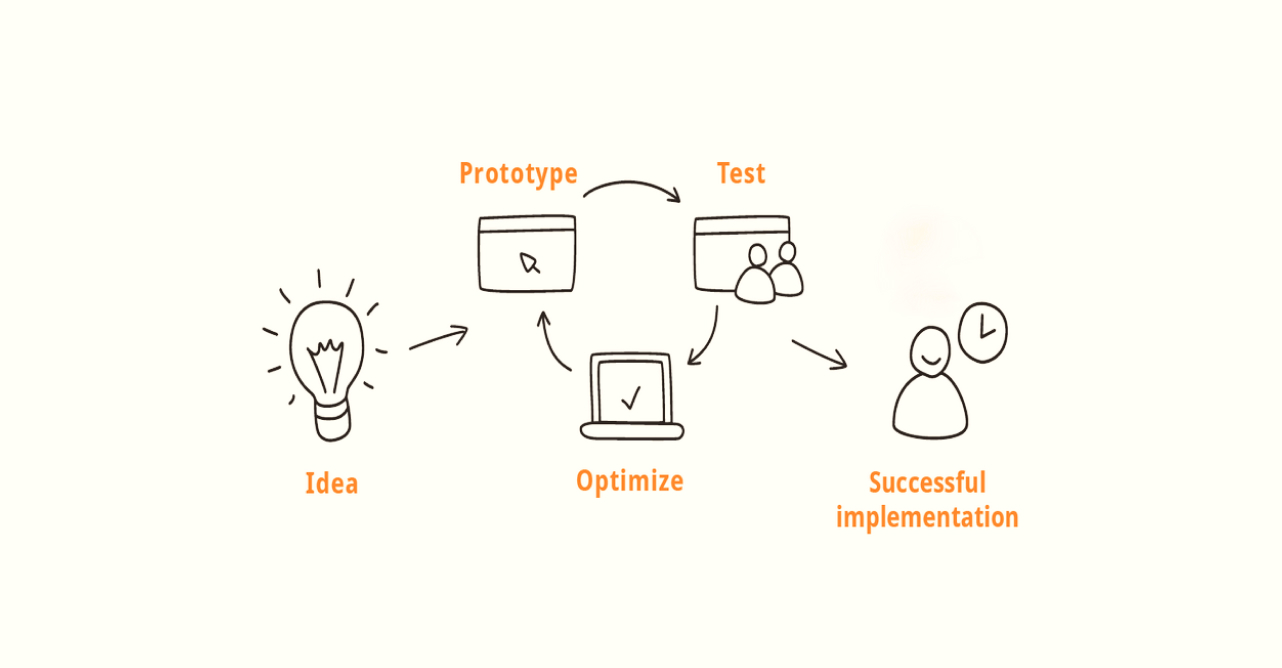
Custom software prototyping is a systematic approach that involves creating a scaled-down version of the final software product. It provides stakeholders, developers, and end-users with a tangible representation of the software's design, functionality, and user experience. This process allows for early-stage feedback, iterative improvements, and risk reduction before proceeding with full-scale development.
Benefits of Custom Software Prototyping:
-
Idea Validation: Prototyping helps businesses evaluate the viability of their software ideas. It allows stakeholders to assess the functionality, usability, and potential market demand for the proposed solution, reducing the risk of investing in an unsuccessful product.
-
Enhanced User Experience: Through prototyping, businesses can gather user feedback and refine the user interface (UI) and user experience (UX) elements. This iterative process ensures that the final product meets the needs and preferences of the target audience, resulting in a seamless and engaging user experience.
-
Cost and Time Efficiency: Identifying design flaws, functionality gaps, or usability issues during the prototyping phase saves valuable time and resources. By addressing these concerns early on, businesses can avoid costly rework or delays during the later stages of development.
-
Collaboration and Communication: Prototypes serve as a visual communication tool, bridging the gap between stakeholders, developers, and designers. It enables effective collaboration, allowing all parties to provide feedback, make informed decisions, and align their expectations for the final product.
-
Risk Mitigation: Custom software prototyping helps identify potential risks and challenges associated with the software solution. By addressing these issues in the early stages, businesses can mitigate risks and ensure a smoother development process.
Implementing Effective Custom Software Prototyping:
-
Define Clear Objectives: Clearly outline the goals and objectives of the software solution. Understand the target audience, their needs, and the problem the software aims to solve.
-
Gather User Insights: Conduct user research, interviews, and usability testing to gather valuable insights into user preferences and expectations. Incorporate this feedback into the prototype to enhance the user experience.
-
Choose the Right Prototyping Tools: Select prototyping tools that align with your project requirements. There are various options available, including low-fidelity wireframes, interactive mockups, or even clickable prototypes.
-
Iterate and Refine: Continuously iterate and refine the prototype based on feedback and testing results. Encourage collaboration and involve all stakeholders in the iterative process to ensure a comprehensive and successful outcome.
-
Test and Validate: Conduct usability testing to validate the prototype's functionalities, identify any usability issues, and make necessary improvements. This iterative testing process will lead to a more refined and user-centric final product.
Conclusion:
Custom software prototyping plays a pivotal role in building innovative and successful software solutions. By embracing the prototyping process, businesses can validate their ideas, refine functionalities, enhance the user experience, and mitigate risks. Custom software prototyping sets the foundation for a well-executed development phase, resulting in a high-quality, user-centric, and market-ready product. Embrace the power of custom software prototyping to bring your unique software ideas from concept to reality and gain a competitive edge in today's dynamic business environment.