'%20fill='black'/%3e%3cpath%20d='M0%206.99999L7.00002%2014V6.99999V-3.05706e-05L0%206.99999Z'%20fill='black'/%3e%3c/svg%3e)
In today's digital age, businesses are relying more and more on customer relationship management (CRM) systems to manage customer interactions, streamline sales processes, and improve customer satisfaction. However, not all businesses have the same needs when it comes to managing their customer data. That's where custom CRM development comes in.
What is Custom CRM Development?
Custom CRM development is the process of creating a CRM system tailored to the unique needs of a specific business. Rather than using a pre-built CRM solution, a custom CRM is built from scratch to meet the specific needs of the business. This can include everything from custom data fields to personalized workflows and automations.
Why Do You Need Custom CRM Development?
There are several reasons why businesses may need custom CRM development:
-
Unique Business Processes: Every business is unique, and as such, their CRM needs may differ. A custom CRM allows businesses to tailor their system to their specific processes and workflows.
-
Competitive Advantage: A custom CRM can give businesses a competitive advantage by providing them with features and functionalities that their competitors do not have access to.
-
Improved Efficiency: Custom CRM development can help streamline processes and automate tasks, improving efficiency and productivity.
-
Scalability: A custom CRM can be designed with scalability in mind, allowing businesses to easily add new features and functionalities as they grow.
-
Data Security: By building a custom CRM, businesses can ensure that their customer data is secure and protected from potential security breaches.
How to Develop a Custom CRM
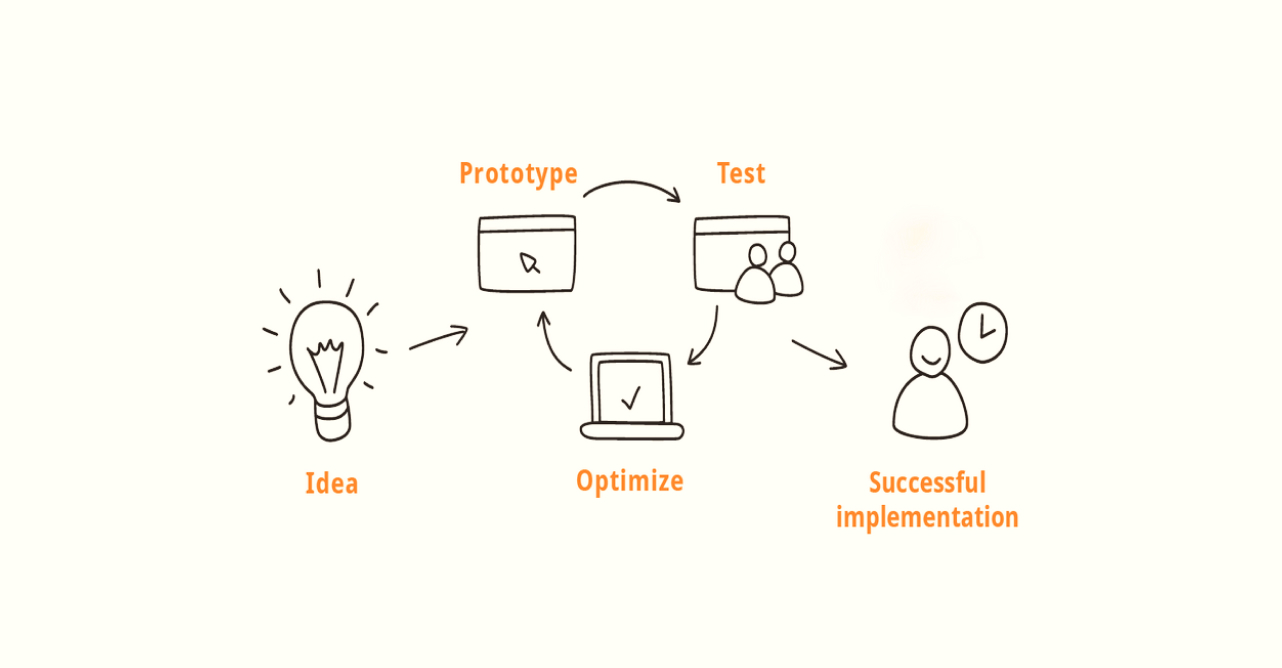
Developing a custom CRM can be a complex process, but it is worth the investment for businesses with unique needs. Here are some key steps to follow when developing a custom CRM:
-
Identify Your Business Requirements: Before beginning development, it is important to identify your business requirements and what you need your CRM to do. This includes identifying the data you need to collect, the workflows you want to automate, and any integrations you require.
-
Choose a Development Partner: Finding the right development partner is key to a successful custom CRM project. Look for a partner with experience developing CRM systems and a proven track record of delivering quality projects.
-
Design and Develop Your CRM: Once you have identified your requirements and chosen a development partner, it's time to design and develop your CRM. Work closely with your development partner to ensure that the final product meets your needs and specifications.
-
Test and Deploy: Once development is complete, it's time to test your CRM and make any necessary adjustments before deploying it to your team. Training your team on how to use the new system is also crucial for a successful rollout.
In conclusion, custom CRM development is a powerful tool for businesses with unique needs when it comes to managing customer data. By tailoring a CRM system to your specific business processes, you can improve efficiency, gain a competitive advantage, and ensure that your customer data is secure. If you're considering custom CRM development, follow the steps outlined above to ensure a successful project.